
Buying or selling a property represents one of the most significant financial decisions most people will ever make. Yet the journey from initial viewing to completion is riddled with complexity: property chains that collapse without warning, structural defects that emerge only after contracts are exchanged, and valuation discrepancies that derail financing. Understanding the mechanics behind property transactions isn’t simply about avoiding pitfalls—it’s about positioning yourself to make informed decisions at every critical juncture.
This resource breaks down the essential elements of property sales and purchases into practical, actionable knowledge. Whether you’re trying to understand why online valuations often miss the mark by double-digit percentages, how to interpret a surveyor’s condition ratings, or which negotiation tactics genuinely influence seller behaviour, the following sections provide the foundational knowledge you need to navigate the property market with confidence.
The property chain—that interconnected sequence of buyers and sellers each dependent on the other’s transaction—is simultaneously the backbone and the vulnerability of the residential property market. Approximately one in three property sales fail to reach completion, with chain breaks accounting for a substantial proportion of these failures. When a first-time buyer at the bottom of a five-link chain encounters mortgage difficulties, every transaction above them collapses like dominoes.
The fragility intensifies during periods of economic uncertainty. Interest rate fluctuations, stricter lending criteria, or even negative media coverage can cause buyers to withdraw, triggering cascade failures. Sellers with urgent timelines—those relocating for work, managing divorce settlements, or facing financial pressure—become particularly vulnerable to these disruptions.
Positioning yourself as a chain-free buyer fundamentally alters your negotiating power. Whether you’re a cash purchaser or a first-time buyer with a mortgage agreement in principle, your ability to proceed without dependencies makes you considerably more attractive than buyers embedded in lengthy chains. This status can justify price reductions of 5% or more, particularly when sellers prioritise transaction certainty over maximum price.
The choice between high street and online estate agents also impacts completion rates, though not always in the ways vendors expect. Traditional agents typically provide more proactive chain management, identifying potential weak links early and maintaining communication across all parties. Online agents offer lower fees but often provide limited post-instruction support. The critical question isn’t which model is inherently superior, but which service level matches the complexity of your specific transaction.
The fifteen-minute viewing has become a standard ritual in property hunting, yet this brief window is when buyers must develop the observational skills to spot warning signs that could translate into five-figure repair bills. The challenge lies in distinguishing between cosmetic imperfections and symptoms of serious structural compromise.
Rising damp goes undetected by an estimated 60% of buyers until after purchase, often because its visual indicators are subtle or concealed behind furniture and decoration. The telltale tide marks on walls, crumbling plaster at skirting level, and musty odours are frequently dismissed as minor issues. However, rising damp indicates failed or absent damp-proof courses, requiring specialist treatment and potentially extensive replastering. The problem compounds when sellers have recently redecorated—fresh paint can mask the symptoms for several months before they re-emerge.
Water stains on ceilings, particularly near chimneys or around roof valleys, signal roofing problems. While you cannot safely inspect a roof structure during a viewing, observable indicators include: missing or slipped tiles visible from ground level, sagging rooflines, and internal staining patterns. Properties built in certain eras are particularly susceptible—post-war homes sometimes feature roofing materials that have reached the end of their serviceable life.
Renovated kitchens and bathrooms often showcase contemporary aesthetics while concealing uncertified electrical work. Regulations require qualified electricians to certify work in these high-risk, moisture-prone areas, yet many homeowners or non-specialist contractors bypass these requirements. The absence of proper certification can affect insurance validity and create genuine safety hazards. During viewings, note whether you can see circuit diagrams, certificates, or any indication of Building Control notification for recent renovations.
Japanese Knotweed represents a unique category of property threat—a biological issue with the potential to fundamentally affect both property value and mortgageability. This invasive plant species can damage foundations, drainage systems, and structural walls through its aggressive root system. Early identification is crucial: look for distinctive shield-shaped leaves, bamboo-like stems with purple speckles, and creamy-white flower clusters appearing in late summer. Many mortgage lenders will refuse to lend on properties with active infestations within several metres of the building, making this a transaction-critical issue.
The question “What is this property actually worth?” generates multiple, often contradictory answers depending on who performs the valuation and what methodology they employ. Understanding these discrepancies is essential for making sensible offers and securing mortgage finance.
Online property portals provide instant valuations using automated valuation models (AVMs) that analyse recent comparable sales within a geographic radius. These algorithms offer convenience but frequently miss critical nuances. In rural areas, where comparable sales are sparse and properties highly individual, online estimates can be inaccurate by 10-15%. An AVM cannot account for the difference between a period cottage with original features and a same-sized property that’s been unsympathetically modernised, despite both appearing as “3-bed detached” in the database.
RICS valuations, conducted by qualified surveyors, incorporate physical inspection and professional judgment. The surveyor assesses condition, construction quality, location advantages, and current market sentiment—factors algorithms cannot reliably quantify. When a bank’s surveyor values a property lower than your agreed offer, the mortgage lender will typically only finance a percentage of the lower figure, creating a funding gap you must cover with additional deposit or by renegotiating the purchase price.
Properties that have been significantly extended beyond their street’s norm present particular valuation challenges. A three-bedroom terrace extended into a five-bedroom family home may appear to justify a substantial premium, yet valuers must consider whether the local market can support that price. The concept of “over-improving” is real: there exists a ceiling price for any given street, beyond which additional investment delivers diminishing returns or no return at all.
Learning to perform basic valuations using Land Registry sold price data empowers you to sense-check professional opinions and estate agent claims. The process involves identifying genuinely comparable properties (same type, similar size, same neighbourhood) that have sold recently, then adjusting for differences in condition, features, and market timing. Price per square foot is particularly useful when comparing flats, where variations in floor area significantly impact value but may not be immediately obvious from bedroom counts alone.
Adjusting historical sold prices to reflect current market conditions requires understanding local market trends. A property that sold six months ago during a rising market may justify a 3-5% uplift, while the same time lag in a declining market requires a downward adjustment. Local estate agents’ market reports and regional house price indices provide the context needed for these calculations.
The survey represents your opportunity to understand exactly what you’re buying before legal commitment. Yet many buyers select survey levels based on cost rather than property characteristics, often discovering expensive surprises post-purchase.
For a 1930s semi-detached house—one of the UK’s most common property types—the choice between a Level 2 (HomeBuyer Report) and Level 3 (Building Survey) depends primarily on condition and any modifications from original specification. Level 2 surveys provide a visual inspection of accessible areas, identifying defects and urgent issues without extensive investigation. Level 3 surveys involve more detailed inspection and are appropriate for older properties, those in poor condition, or homes that have been significantly altered.
Understanding Condition Ratings is crucial for interpreting survey results. The RICS three-point scale categorises each building element:
A Condition Rating 3 should trigger detailed cost estimates before proceeding. Structural elements rated 3—such as subsidence, serious roof defects, or failed damp courses—may justify renegotiating the purchase price or, in severe cases, withdrawing from the transaction entirely. Properties with subsidence history occupy a grey zone: they may be perfectly stable following underpinning, but some lenders remain cautious, potentially affecting future saleability.
Mortgage lenders apply heightened scrutiny to properties built using non-standard construction methods. Concrete frame houses, timber-framed properties (excluding modern engineered frames), and certain prefabricated systems from the post-war period can be difficult to mortgage. Lenders fear reduced saleability and uncertain longevity, which in turn affects their security if they need to repossess. Standard surveys typically don’t cover gas installations and full electrical testing—these require separate specialist inspections, yet failures in either system can present serious safety risks and significant costs.
Estate agents employ various pricing tactics to influence buyer behaviour and competitive dynamics. Understanding the strategic intent behind these approaches helps you calibrate your offer appropriately.
“Offers in Excess Of” signals that the seller will not accept the stated figure and expects competition to drive the price higher. This tactic creates an auction-like environment while maintaining the appearance of transparency. By contrast, “Guide Price” is typically used for properties being sold at actual auctions or in sealed bid scenarios, indicating the approximate level at which bidding might start rather than where it might finish.
The pricing approach often reflects market conditions and property desirability. In a seller’s market with limited stock, agents price competitively to generate multiple offers and bidding wars. In slower markets, more realistic pricing becomes necessary to attract serious interest. Recognising whether a property is strategically underpriced to create competition versus genuinely reflecting market value requires comparing the asking price against recent sales of genuinely similar properties—not just those the agent highlights as “comparables.”
The premium commanded by properties in Outstanding Ofsted catchment areas demonstrates how non-physical factors influence value. Research consistently shows price premiums of 5-15% for properties within the catchment of highly-rated schools, with the effect most pronounced at primary level. This premium fluctuates with school performance ratings and catchment boundary changes, creating value volatility unconnected to the property itself.
Successful negotiation in property transactions extends far beyond the offer price. The structure, timing, and conditions attached to your offer collectively signal your seriousness, flexibility, and likelihood of completion.
Your chain-free status warrants explicit emphasis in initial offers. Sellers facing their own chain pressures or tight timelines will often accept a lower offer from a proceedable buyer over a higher offer from someone embedded in a complex chain. Quantifying this advantage is situational, but reductions of 3-5% are realistic starting points for negotiation when you can demonstrate financial readiness.
The timing of offer submission carries psychological weight. Submitting a serious offer on Friday afternoon means the seller spends the weekend considering your proposal without the distraction of new viewings or competing offers. Monday morning submissions coincide with the week’s administrative momentum and agent availability to discuss your offer immediately. While these tactical considerations seem minor, property decisions are emotional as well as financial—any edge in capturing the seller’s attention and imagination has value.
The phrase “Subject to Survey” appears routinely in offers, but how you frame this condition affects seller perception. A blanket “subject to satisfactory survey” can feel like you’re reserving the right to renegotiate for any reason. More specific language—”subject to survey identifying no structural defects requiring remediation costs exceeding £X”—demonstrates you’ve thought seriously about risk tolerance while protecting your position on genuinely significant issues.
Offering a flexible completion date can decisively win deals against higher bidders when the seller faces timing constraints. A family coordinating school terms, a buyer whose own sale has a fixed completion date, or sellers managing rental tenancy overlaps all face timeline pressures. Your willingness to accommodate their preferred dates—whether that means completing quickly or waiting several months—removes a significant source of stress and uncertainty.
When an agent announces multiple interested parties and requests “best and final offers,” you face a strategic dilemma. Submitting your absolute maximum risks overpaying if competing offers are significantly lower. Holding back risks losing the property for a marginal difference. The optimal response depends on your genuine maximum price (your “walk-away price“) and your assessment of competition intensity. If viewings have been constant and agent feedback suggests strong interest, the competitive field is likely real. If activity seems modest and the request feels contrived, more caution is warranted. In either case, avoid getting drawn into emotional bidding beyond your pre-calculated financial ceiling.
The inclusion or exclusion of fixtures, fittings, and white goods represents a often-overlooked negotiation lever. When price negotiations reach an impasse, requesting the inclusion of items the seller planned to take can bridge the gap. A fitted kitchen’s appliances, quality curtains and blinds, or garden furniture may have limited resale value to the seller but represent genuine convenience and cost savings to you. Alternatively, if you’re stretching financially, agreeing to exclude certain items the seller wants to retain can sweeten your offer without affecting the headline price they report to their chain.
Certain property features create valuation complexities that standard comparison approaches struggle to address accurately.
Lease length dramatically affects flat values through a non-linear relationship. A flat with 125 years remaining on its lease trades at full market value. The same flat with 85 years remaining faces significant devaluation—often 10-20%—because it approaches the threshold where lease extension becomes urgent and mortgage lenders become cautious. Below 80 years, the costs and complexity of lease extension increase substantially due to “marriage value” calculations that give the freeholder a share of the value created by extension.
Comparing different property types on the same road requires careful adjustment. A terraced house and a semi-detached property may share a postcode but occupy different market segments. The semi commands a premium for reduced neighbour noise, side access, and additional light—but quantifying that premium requires identifying sales of both types in similar condition and timeframe. Simply averaging all recent sales on a street produces misleading valuations when property types vary.
Properties with unimplemented planning permission present a valuation paradox. The permission has value—it confirms development potential and removes regulatory uncertainty—but hasn’t yet delivered the additional space or improved layout that would justify a significant premium. Buyers must assess whether paying extra for this potential makes financial sense compared to purchasing a similar property without permission and applying themselves, or buying a property where the work is already complete.
Understanding the seller’s personal circumstances—whether they’re managing divorce, debt, downsizing, or relocation—provides context for what “fair price” means to them. A seller facing repossession needs certainty and speed over maximum price. A divorcing couple often prioritises a clean break. While it may feel opportunistic to factor these situations into your offer, the reality is that seller motivation directly affects the price at which transactions complete. Recognising this allows you to structure offers that meet both parties’ needs.

Being chain-free is your single greatest negotiating asset, but simply stating it is not enough to secure a discount in a competitive market. True leverage comes from architecting a “deal structure” that sells certainty and speed, making a price reduction…
Read more
The goal in a sealed bid isn’t to ‘win’ by offering the most money, but to pay the right price by neutralizing the emotional and psychological traps designed to make you overpay. The highest bid often comes from the person…
Read more
Relying on generic online estimates or simple comparisons is a flawed strategy; a property’s true value is found by dissecting its core components like a data analyst. The most reliable comparison metric is not overall price, but price per square…
Read more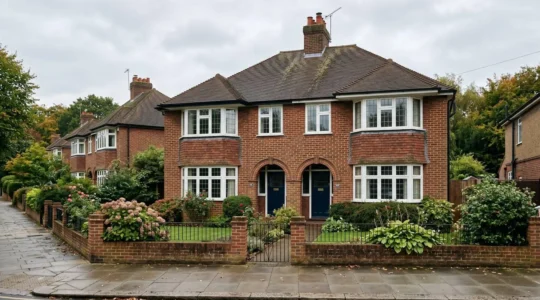
A Level 3 survey on a 1930s house isn’t just a cost; it’s a financial tool that can save you over £5,000 before you even get the keys. Decode “Condition Rating 3” defects into specific, costed negotiation points. Leverage specialist…
Read more
A property’s true value is not an online guess or an agent’s asking price, but an evidence-based conclusion you can build yourself. Automated estimates from sites like Zoopla have algorithmic blind spots and often miss crucial, value-defining local factors. A…
Read more
A 15-minute viewing isn’t a tour; it’s a forensic investigation where you must learn to spot the expensive defects deliberately hidden behind fresh paint and cosmetic fixes. Focus on “patterns of failure” specific to period properties, such as subtle damp…
Read more
The UK property system is not broken; it is designed for deals to fail slowly. Success requires seizing control, not just communicating. Weaponise your position (as a chain-free buyer or flexible seller) to create a “Certainty Premium” worth a tangible…
Read more