
A Level 3 survey on a 1930s house isn’t just a cost; it’s a financial tool that can save you over £5,000 before you even get the keys.
- Decode “Condition Rating 3” defects into specific, costed negotiation points.
- Leverage specialist reports for electrics and gas to uncover thousands in hidden liabilities.
Recommendation: Treat the survey report as an investment. Use the detailed evidence to renegotiate the price, demand seller-covered repairs, or walk away from a financial disaster.
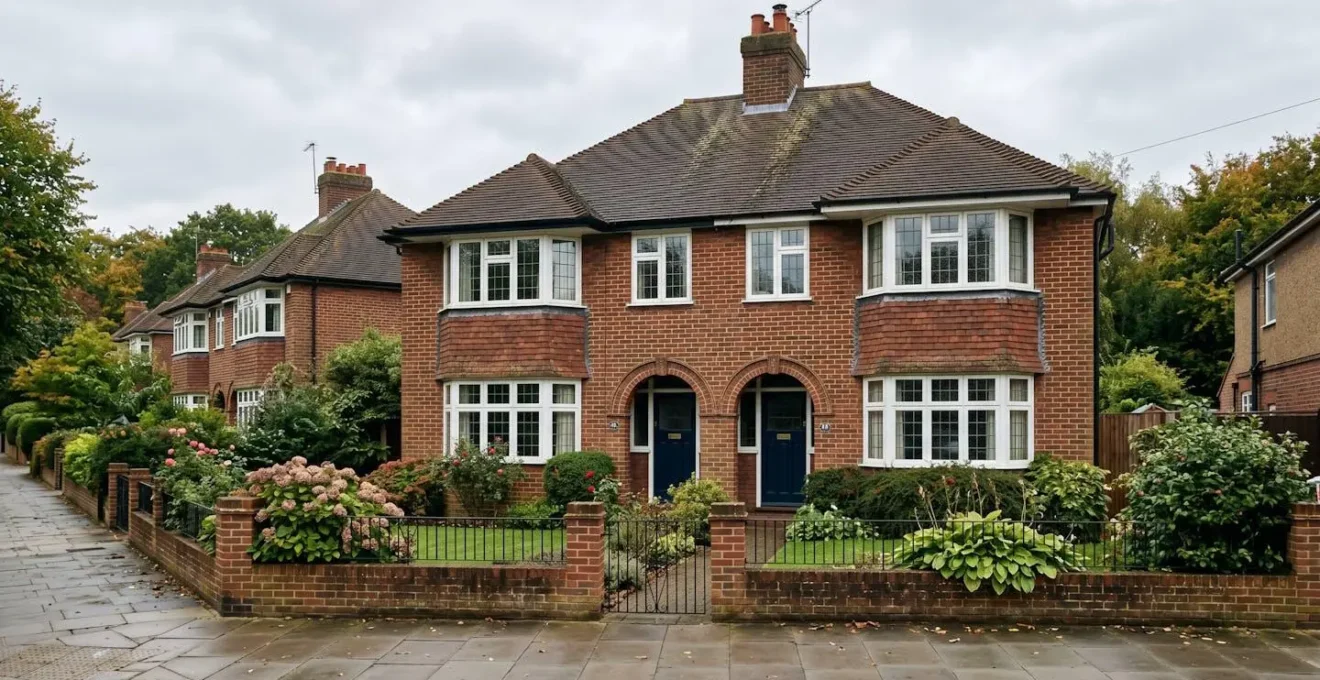
You’re looking at a 1930s semi-detached house. It has character, a decent-sized garden, and you can already picture where the sofa will go. But before you get carried away, there’s the small matter of the survey. The advice is always the same: “for an old house, get the expensive one.” So you’re poised to spend anywhere from £500 to £1,000 on a RICS Level 2 or Level 3 report, feeling like you’re just ticking a box for the mortgage lender. You’re paying a fortune for a PDF full of jargon, caveats, and photos of cracks you’d already spotted.
Let’s be blunt: this mindset is costing you thousands. Most buyers treat a survey as a passive, defensive shield. They hope it comes back clean and file it away if it does. If it shows problems, they get scared and maybe try a clumsy attempt at renegotiation. This is wrong. The survey report is not a shield. It is the single most powerful offensive financial weapon you have in the property buying process. The question isn’t “Level 2 or Level 3?”. The real question is “How do I weaponize this report to de-risk my purchase and claw back actual money?”
Forget just satisfying your lender. A detailed Level 3 survey is an investment that should pay for itself many times over. This guide isn’t another vague rundown of report types. It’s a strategic manual for translating a surveyor’s findings into financial leverage. We’ll break down what the scary-sounding ratings actually mean for your wallet, how to turn defects into discounts, and how to spot the money pits before you even instruct a surveyor. It’s time to stop being a passive buyer and start thinking like an investor protecting their capital.
This article provides a clear, no-nonsense breakdown of how to use a survey to your financial advantage. Follow the sections to understand each critical element, from interpreting serious defects to spotting red flags on your first viewing.
Summary: Level 2 vs Level 3 Survey: A Buyer’s Guide to Financial Leverage
- What does a Condition Rating 3 really mean for your repair budget?
- Subsidence history: Is a property unmortgageable or a bargain investment?
- How to draft a renegotiation letter based on survey defects to save £5,000?
- Concrete or Timber Frame: Why mortgage lenders fear non-standard construction?
- Why a standard survey does not cover gas and electrics and what to do about it?
- The danger of uncertified electrical work in renovated kitchens and bathrooms
- The hidden cost of rewiring a 1930s house: Why quotes vary by thousands
- How to spot expensive structural defects during a 15-minute viewing?
What does a Condition Rating 3 really mean for your repair budget?
Let’s cut through the jargon. When your RICS report flags a “Condition Rating 3” (CR3), it doesn’t mean “needs a bit of TLC.” It means, in plain English: “This is broken, dangerous, or about to fail, and you need to deal with it immediately.” A CR3 is not a suggestion; it’s a red flag indicating a serious defect that requires urgent investigation and likely expensive repair. Think failing roofs, active damp, or significant structural movement. For a 1930s house, these are not uncommon.
A CR3 isn’t the end of the deal; it’s the start of a negotiation. The key is to transform that red flag into a hard number. Do not accept a vague “the roof needs work.” Your job is to find out exactly what work and how much it will cost. This is your leverage. A Level 3 survey is designed to give you this ammo, providing detailed analysis and recommendations for next steps. A Level 2 might just say “further investigation needed,” leaving you to do the legwork.
To turn a CR3 into a negotiation tool, follow this process:
- Follow the surveyor’s advice: The report will state what to do next. A Level 3 survey will be specific (e.g., “obtain a report from a structural engineer”). Do it.
- Get quotes: Contact relevant tradespeople (e.g., a roofer, a damp-proofing specialist) and get at least two written quotes for the remedial work. This is non-negotiable and must be done before exchanging contracts.
- Build in contingency: For a 1930s house, add a 20-25% contingency buffer to your highest quote. Hidden issues like asbestos or crumbling plaster are common once work begins.
- Distinguish needs from wants: A dangerous roof is an essential repair that protects the asset’s value. A dated but functional kitchen is a discretionary cost. Focus your negotiation on the essential, non-negotiable safety and structural repairs flagged as CR3.
A CR3 is a gift. It’s a clear, expert-backed instruction to either get a significant discount, have the seller fix the issue before completion, or walk away from a money pit. Ignoring it is financial negligence.
Subsidence history: Is a property unmortgageable or a bargain investment?
The word “subsidence” sends most buyers running for the hills. It evokes images of cracking walls and houses sinking into the ground. While it can be a serious issue, a history of subsidence doesn’t automatically make a property unmortgageable or a bad buy. In fact, it can sometimes represent a bargain, provided you understand exactly what you’re dealing with. With around 20% of homes in England and Wales affected by subsidence at some point, it’s a more common issue than you might think.
The crucial distinction is between historic subsidence and progressive/active subsidence. Historic subsidence that has been identified, monitored, and properly repaired (e.g., through underpinning) with all the right paperwork is often perfectly acceptable to many high-street mortgage lenders. The problem has a known solution and a documented history of stability. Active subsidence, however, where the property is still moving, is a different beast entirely and will make the property largely unmortgageable for anyone other than cash buyers or those using specialist lenders and finance.
Your survey is the first step in determining which you are facing. A Level 3 survey is essential here. It will identify the signs, assess the severity, and recommend the next steps, which will almost certainly be a full structural engineer’s report. The key to mortgageability is documentation. A property with a 20-year-old underpinning job backed by a Certificate of Structural Adequacy and a decade of no further movement is a far safer bet than one with fresh cracks and no explanation.
This table breaks down the reality of getting a mortgage on a property with a history of movement.
| Subsidence Type | Mortgageability | Documentation Required | Typical Value Impact |
|---|---|---|---|
| Historic/Monitored (with repairs) | Highly mortgageable with high-street lenders | Certificate of Structural Adequacy + repair guarantees | 20-25% discount even when repaired |
| Progressive/Active | Specialist lenders only | Structural engineer’s report + specialist insurance | Property largely unmortgageable |
| Underpinned Property | Acceptable to many lenders | Structural engineer’s report + 10-year no-movement proof | 20-25% discount due to stigma |
The “stigma” of subsidence often leads to a significant price discount of 20-25%, even on a fully repaired and stable property. For a savvy buyer with the right advice, this can represent a significant opportunity to buy a solid home for well below market value.
How to draft a renegotiation letter based on survey defects to save £5,000?
Finding defects in your survey isn’t a disappointment; it’s an opportunity. But successfully renegotiating thousands off a purchase price requires strategy, not emotion. Waving a 100-page report at the estate agent and vaguely demanding a discount won’t work. You need to build a business case. Your renegotiation should be presented as a calm, logical, and evidence-based request.
The goal is to remove all subjectivity. You are not saying “I think the house is worth less.” You are stating, “An independent RICS-qualified expert has identified specific defects, and three independent contractors have confirmed it will cost £X to rectify them.” This shifts the conversation from opinion to fact. A detailed Level 3 survey is your primary evidence. Case studies consistently show that buyers who use a Level 3 survey’s detailed findings as leverage can successfully negotiate discounts. A £5,000 reduction or seller-covered fix is a common and achievable outcome for significant issues like damp or structural movement identified in a 1930s house.
This photograph illustrates the mindset you must adopt: clinical, evidence-based, and focused on the numbers. Your negotiation is built on a paper trail of expert opinion and contractor quotes.
To draft your renegotiation letter (or email to the estate agent), follow this structure:
- Be polite and reaffirm your commitment: Start by saying you are still keen to proceed with the purchase. This is a negotiation, not a declaration of war.
- State the facts clearly: Itemise the specific, serious defects (e.g., CR3 issues) identified in the survey. Quote the exact wording from the report if possible. Attach the relevant pages of the survey as an appendix.
- Provide the financial evidence: State the cost of repairs. “We have obtained two quotes for the necessary roof repairs, which average £4,800.” Attach copies of the quotes. This is your most powerful tool.
- Make a specific proposal: Don’t just ask for “a discount.” Propose a clear solution. The two most common are:
- A straightforward price reduction by the cost of the repairs (e.g., “We would like to revise our offer to £XXX,XXX, reflecting the £4,800 repair costs.”).
- A request for the seller to complete the repairs before exchange, at their expense, with the work to be inspected and signed off.
- Set a deadline for response: This creates urgency and shows you are serious.
This approach takes the emotion out of it. You are simply presenting the seller with a new piece of information about their property’s condition and value. It’s then up to them to decide how to proceed, but you have made your case in the strongest possible way.
Concrete or Timber Frame: Why mortgage lenders fear non-standard construction?
You’ve found the perfect 1930s house, the survey is booked, and then the estate agent casually mentions it’s a “Wimpey No-Fines” or a “BISF house.” Suddenly, your mortgage application is in jeopardy. Welcome to the world of non-standard construction. In the UK, there are around 1.5 million homes built using methods other than the traditional ‘brick and block’. While many are perfectly sound, mortgage lenders view them with suspicion.
Why the fear? It boils down to two things: resaleability and unknown durability. A lender’s primary concern is getting their money back if you default. A property that is difficult to sell or might have a limited lifespan is a huge risk. Many non-standard systems, especially post-war prefabricated reinforced concrete (PRC) types, have known issues with concrete degradation or steel frame corrosion. Lenders simply don’t have the 100+ years of data they have for traditional brick houses, so their default position is “no” unless proven otherwise.
For a buyer, this means two things. First, you absolutely need a Level 3 survey, as a surveyor will identify the construction type and its specific potential problems. Second, your pool of potential lenders may shrink dramatically. Some high-street banks won’t touch certain types of non-standard construction at all. However, many are mortgageable, especially if they have been professionally repaired and certified under an approved scheme (like the PRC Homes Ltd scheme for concrete houses). The key is having the right paperwork to prove the house is now considered structurally sound.
This traffic light system gives a blunt overview of the mortgage prospects for common types you might encounter in or around the 1930s era.
| Construction Type | Mortgageability Status | Typical Deposit Required | Special Requirements |
|---|---|---|---|
| Modern Timber Frame (post-1960) | 🟢 Green: Generally mortgageable with high-street lenders | 10-15% standard | Proper certification and structural warranty required |
| PRC with Certificate (Airey, Reema, Wimpey No-Fines) | 🟡 Amber: Mortgageable with specialist lenders | 15-25% higher deposit | PRC certificate confirming structural repair mandatory |
| Steel Frame (BISF houses) | 🟡 Amber: Restricted lender pool | 15-25% higher deposit | Corrosion assessment, some lenders decline entirely |
| PRC without Certificate | 🔴 Red: Largely unmortgageable | Cash buyers only | Certification of structural adequacy essential before any lending |
If your survey identifies non-standard construction, don’t panic. But do immediately speak to a mortgage broker who specialises in these properties. They will know which lenders are receptive and what specific reports or certifications you’ll need to secure finance.
Why a standard survey does not cover gas and electrics and what to do about it?
This is one of the biggest—and most dangerous—misunderstandings buyers have about surveys. You pay nearly £1,000 for a detailed report, so you assume it covers everything. It doesn’t. A RICS surveyor is a specialist in the building’s fabric and structure, not in utilities. They will not test the boiler, check the wiring, or certify the gas installation. The report will explicitly state this in its limitations, usually advising you to get these services checked by a qualified professional.
In plain English: the surveyor will note if there are sockets hanging off the wall, but they won’t test if they are safely wired. They are protecting themselves from liability, and you should protect yourself from a potential five-figure bill or a serious safety hazard. For a 1930s house, which may have had decades of DIY and piecemeal updates, this is not a step to skip. A fancy-looking kitchen can easily hide a tangle of dangerous, non-compliant wiring underneath.
Your survey report recommending specialist checks is the leverage you need. Frame your request to the seller not as a new demand, but as a standard follow-up to the expert report you’ve all agreed to. The two key reports you need are:
- An Electrical Installation Condition Report (EICR): Performed by a qualified electrician, this is a comprehensive MOT for the property’s wiring. It will identify any dangers or areas that don’t meet current regulations.
- A Gas Safety Certificate: Carried out by a Gas Safe registered engineer, this checks the boiler, cooker, and any other gas appliances for safe operation.
Spending a few hundred pounds on these checks is a no-brainer. The cost of an EICR can be as low as £120 for an average-sized home, but it could uncover the need for a full rewire costing £6,000 or more. Finding this out before you exchange contracts is the entire point of due diligence. Any “C1” (Danger present) or “C2” (Potentially dangerous) finding on an EICR is a non-optional point for renegotiation.
The danger of uncertified electrical work in renovated kitchens and bathrooms
That brand new, high-gloss kitchen or spa-like bathroom in the 1930s house you’re viewing can be a huge red flag. Renovations, especially in “wet” zones like kitchens and bathrooms, involve complex electrical and plumbing work. If this work wasn’t done by certified professionals and properly documented, you could be buying a ticking time bomb. The risk isn’t just financial; it’s a serious safety hazard.
Electrical safety regulations in the UK are strict for a reason. Part P of the Building Regulations requires most significant electrical work in kitchens and bathrooms to be certified, either by the local authority or a registered electrician. This is because the combination of water and electricity is lethal. A bodged job could lead to electric shocks or, worse, fire. According to data from Electrical Safety First, almost half of all household fires in the UK are caused by faulty electrics.
When viewing a property, ask the estate agent directly: “When was the kitchen/bathroom renovated, and can the seller provide the Part P electrical installation certificates?” If the agent looks blank or says they’ll have to ask, it’s a warning sign. A seller who used proper tradespeople will have the paperwork and will be keen to show it off as a selling point. The absence of a certificate for recent work is a massive red flag. It suggests the work was done by a DIYer or an unqualified tradesperson to save money.
If there’s no certificate, you must assume the wiring is unsafe until proven otherwise. This makes an EICR (Electrical Installation Condition Report) non-negotiable. If that EICR comes back with a list of C1 or C2 defects, you have a very strong case to demand that the seller either pays a qualified electrician to fix everything and get it certified, or you get a price reduction equivalent to the cost of a full rewire. Don’t be dazzled by shiny taps; the danger is hidden in the walls.
The hidden cost of rewiring a 1930s house: Why quotes vary by thousands
Your survey or EICR has confirmed your worst fears: the 1930s house needs a full rewire. You get a few quotes, and they come back with bewilderingly different prices: one is £4,000, another is £6,500, and a third is over £9,000. Are you being ripped off? Not necessarily. The cost of a rewire isn’t a single figure; it’s a spectrum based on scope, quality, and disruption.
Understanding why these quotes vary is crucial for negotiation and budgeting. A “basic” rewire might just meet legal safety standards, while a “premium” job future-proofs the house for decades. The variation comes from several key factors: chasing vs. trunking (hiding wires in walls vs. using surface-mounted plastic conduit), the number of sockets per room, the quality of fittings (plastic vs. brushed chrome), and the inclusion of modern features like USB sockets or smart home integration.
This image symbolises the complexity you’re paying for. It’s not just about connecting wires; it’s about the quality, safety, and finish of the entire installation.
When you get quotes, you need to ensure you’re comparing like with like. A quote that seems cheap might be for a surface-mounted trunking job that will look terrible and devalue the property. The expensive quote might include re-plastering all the chased walls, saving you a separate job later. This table breaks down what you’re likely getting at different price points for a typical 3-bed 1930s semi.
| Scenario | Scope Description | Estimated Cost | Key Features |
|---|---|---|---|
| Good (Basic Compliant) | Surface trunking, standard socket count, basic fittings | £4,000 | Meets regulations, minimal disruption, plastic fittings, visible cable runs |
| Better (Standard Professional) | Chased walls, ample sockets, mid-range fittings | £6,500 | Hidden cables, 2-3 sockets per room, decent quality fittings, consumer unit upgrade |
| Best (Premium) | Smart home integration, high-end fittings, extensive coverage | £9,000+ | Brushed chrome/metal fittings, smart switches, USB sockets, extensive circuit coverage |
For negotiation purposes, you should aim for the “Better” scenario as your benchmark. It represents a professional, modern standard that a future buyer would expect. Use a quote for this level of work as your evidence when asking for a price reduction.
Key takeaways
- A “Condition Rating 3” is not a suggestion; it’s a mandatory action point requiring immediate, costed quotes for negotiation.
- Subsidence isn’t always a deal-breaker. The key is distinguishing documented, historic movement (a potential bargain) from active movement (a financial black hole).
- Specialist reports (EICR, Gas Safety) are not optional extras. They are essential phase-two investigations to uncover major liabilities a standard survey cannot.
How to spot expensive structural defects during a 15-minute viewing?
Before you spend a single penny on a surveyor, you can perform your own ‘triage’ viewing. This isn’t about finding every little issue; it’s about spotting the huge, expensive, deal-breaking red flags that a 15-minute walk-through can reveal if you know where to look. For a 1930s semi, certain high-cost problems are common. Identifying them early can save you the time, cost, and heartache of pursuing a property that is fundamentally flawed.
Think of this as your pre-survey checklist. You’re not diagnosing the problem, you’re just identifying the symptom. A surveyor will give the diagnosis later. The key is to look at the building systematically, from the outside in, and from a distance before you get up close. Don’t let the fresh paint and nice decor distract you from the building’s fundamental structure. Use your nose as much as your eyes—a musty smell is the number one sign of a damp problem that can’t be hidden by a scented candle.
Follow this checklist to give yourself the best chance of spotting a money pit. If you see major issues in several of these areas, you should seriously consider whether you even want to proceed to the survey stage.
Your Action Plan: The Big Five Checklist for 1930s Semi-Detached Properties
- Roofline Assessment: View the property from across the street. Check for a sagging ridgeline or an uneven roof plane. This can be a sign of roof spread or a failing roof structure, a common and expensive issue in 1930s properties.
- Crack Analysis: Focus on diagonal cracks wider than a 10p coin (over 3mm) that come from the corners of windows or doors. Distinguish between thin vertical plaster cracks (minor) and jagged diagonal brickwork cracks that are wider at the top (a major movement or subsidence red flag).
- Damp Detection: Use your nose first; a musty smell is the primary indicator. Then, look for peeling paint, ‘tide marks’ low on walls, and check the condition of skirting boards for deterioration. These are classic signs of rising damp.
- Window Condition: Check for ‘blown’ double-glazing (condensation between the panes), which means the seals have failed and the unit needs replacing. If there are original wooden frames, inspect them for rot, especially at the bottom where water collects.
- The Lean Test: Step back and compare the property’s vertical alignment with its attached neighbour. Is your potential home leaning away? Any visible lean can indicate serious foundation or structural movement issues that require immediate, expert investigation.
Spotting these signs doesn’t make you a surveyor. But it does make you an informed buyer. It allows you to ask targeted questions and decide whether the property is worth the £1,000 risk of a full survey, or if you should just walk away and view the next one on your list.
Ultimately, a property survey is more than a report; it’s a strategic asset. By understanding how to decode its language, from Condition Ratings to construction types, you transform a mandatory expense into a powerful tool for financial protection and negotiation. Armed with this knowledge, you are no longer just a hopeful buyer, but a savvy investor making an informed decision about one of the biggest financial commitments of your life. The next step is to put this knowledge into practice, either by walking away from a bad deal or by confidently negotiating a better one.